Ё is the seventh letter of the modern Russian alphabet, pronounced [jɵ], and it was derived from Е. Its use has been mandatory and then optional, and print has long applied it selectively, so documents frequently write е where ё is meant.

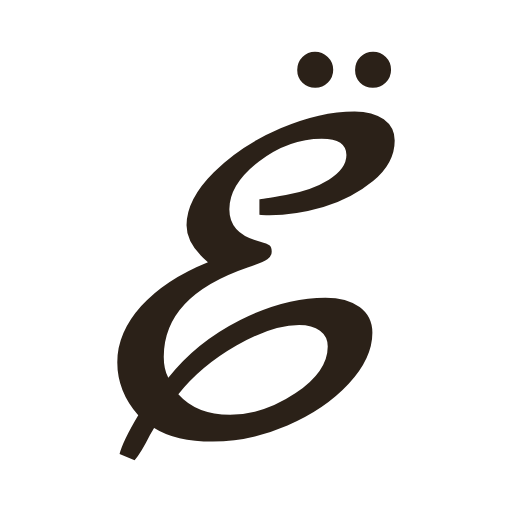
Looks like Е (Ye)
Ё was derived from Е, and for a long stretch of its history the two were not held apart at all: before 1942 Ё was usually considered a modification of Е rather than a separate letter. The only thing separating them on the page is the mark above, and that mark is optional. After the 1942 decree, typographic practice reverted to using Ё selectively, to show the pronunciation of rare words and to separate words that would otherwise be homographs, and by 1952 it had been declared optional outright. Treat a bare е in a word that takes ё as that word; a missing mark is not evidence of a different word.
- Printed
- Ё ё
- Name
- ё (yo)
- Transliteration
- yo
- IPA
- [jɵ]
- Position
- 7 of 33
History
Ё is the seventh letter of the modern Russian alphabet, with the Russian pronunciation [jɵ]. It was derived from the Cyrillic letter Ye (Е е). In Unicode it is named CYRILLIC CAPITAL and SMALL LETTER IO. Romanizations differ by system: ë in ALA-LC and British Standards, ë with yë word-initially in BGN/PCGN, and yo or jo as an orthographic transcription for Russian; for Belarusian it is rendered i͡o in ALA-LC, yo in BGN/PCGN and ë in BSI. International practice under ISO 9 uses ë.
Its standing in the alphabet has moved more than once, which is exactly why documents treat it inconsistently. The introduction of ё is listed among the miscellaneous adjustments made to Russian spelling across the 19th century. The 1918 reform gave a single spelling, ее or нее, for the feminine pronoun in both the genitive and the accusative, noting её and неё as the form with the optional letter Ё. In December 1942, Decree No. 1825 of the People's Commissariat of Education made the use of Ё mandatory, and since then it has been taught in schools as the seventh letter of the Russian alphabet; before 1942 it was usually considered a modification of Е rather than a separate letter.
That mandate did not hold in practice. Consistent use of Ё never consolidated its grip in general publication, and the usual typographic practice reverted to selective use, to show the pronunciation of rare words and to distinguish words that would otherwise be homographs. By 1952 the regulations on checking schoolwork, the Great Soviet Encyclopedia and the reference book for typographers by K. I. Bylinsky had all declared the letter optional; doubt about where to place Ё in older literature was cited as one of the reasons. A reader should expect the letter to be absent from places where the word calls for it.
Russian cursive, the hand these documents are written in, was developed during the 18th century on the base of the earlier Cyrillic tachygraphic writing known as skoropis, the rapid or running script, which in turn was the 14th to 17th century chancery hand of the earlier Cyrillic bookhand scripts called ustav and poluustav. It became the handwritten counterpart of the civil, or Petrine, printed script of books.
Keep going
Print a practice sheet for ё
The history of Russian cursive
1708 — present
All 37 letters
The whole alphabet on one page
Have a document with this letter in it? Upload a photo and we will read the whole page.
Upload a document