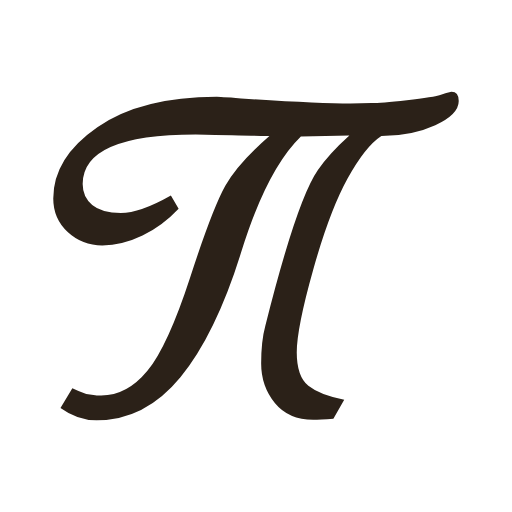
П, the Russian cursive letter pe
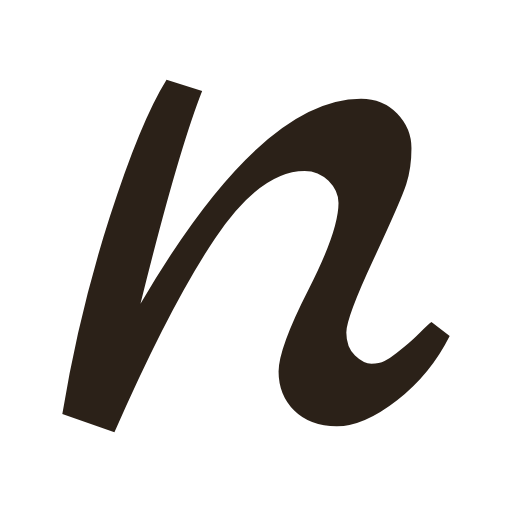
Pe is the seventeenth letter of the Russian alphabet and carries the sound /p/. In cursive it may coincide with Latin cursive n, which makes it easy to misread in a handwritten document.
In words
письмо · letter
поклон · warm regards / bow
привет · greetings
Easy to confuse with
Looks like n (Latin n)
п is two down-strokes joined by a flat top bar. A cursive Latin n arches OVER the join; п's top is straight.
History
Pe is the seventeenth letter of the modern Russian alphabet and is written p in transliteration. It commonly represents the unaspirated voiceless bilabial plosive /p/, the sound of p in the English word spin.
In handwriting it is one of the letters a reader trained on the Latin alphabet can misread without ever noticing. The modern Russian cursive form of this letter may coincide with Latin cursive n, despite the two carrying completely different sound values, and printed types, upright or italic, show much less similarity than the written forms do. A shape that looks like an n inside a Russian word is therefore worth testing as pe, and the familiar block letter of printed material is no guide to what the pen produces.
Russian cursive is the handwritten form of the modern Russian Cyrillic script, used in place of the block letters seen in print. It was developed during the 18th century on the base of skoropis, the 14th to 17th century chancery hand that descended in turn from the older Cyrillic bookhands called ustav and poluustav, and it became the handwritten counterpart of the civil, or Petrine, printed script of books.
Skoropis was office writing, rounded and smooth, carrying a large number of strokes, ligatures and abbreviations, with letter shapes that varied according to their neighbours. Every scribe had his own hand and his own peculiarities, so the reliable method with a difficult passage is to compare it against parts of the same document already read.