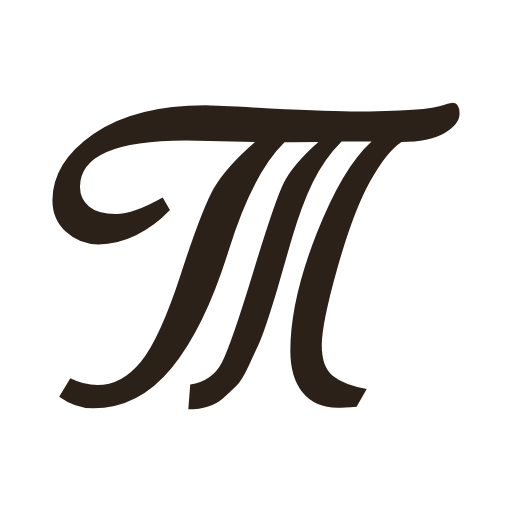
Т, the Russian cursive letter te
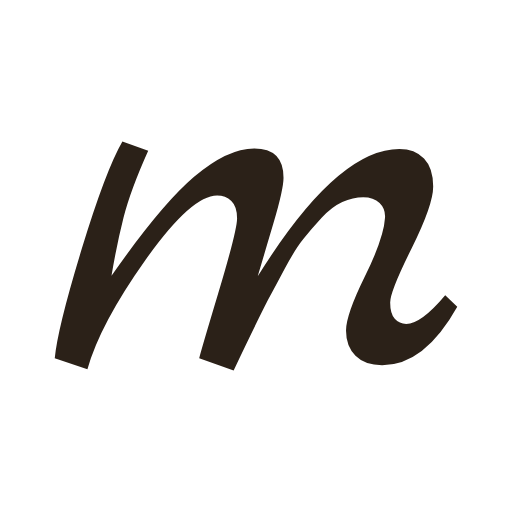
Те is the twentieth letter of the Russian alphabet and carries the sound /t̪/. In most cursive writing lowercase т looks like the Latin lowercase m.
In words
Света · Sveta · a name
Тарханкут · Tarkhankut · a cape in Crimea
брат · brother
Easy to confuse with
Looks like m (Latin m)
Lowercase cursive т is three down-strokes and reads as a Latin m. Many hands add a bar above it for exactly this reason; if a bar is there, it is т.
History
Т т is a letter of the Cyrillic script, twentieth in the modern Russian alphabet of thirty-three, and it commonly represents the voiceless dental stop /t̪/, close to the t of the English word tool. It is transliterated as t.
In most cursive writing, lowercase т looks like the Latin lowercase m, and because modern Cyrillic italic typefaces take their lowercase shapes mostly from the cursive, printed italic т shows the same resemblance. In some forms of cursive the distinction between т and ш becomes elusive, since both are written in the shape of either m or ɯ. To remove the doubt a writer can add a horizontal bar above the character for т and below it for ш, and writing т in its printed T shape rather than the m shape is also common. In Serbian and Macedonian cursive the letter is written as ɯ with a bar above it, which differs from the Russian practice.
The hand itself is not ancient. Russian cursive was developed during the 18th century on the base of skoropis, the rapid or running script that had served as the 14th to 17th century chancery hand of the earlier Cyrillic bookhands called ustav and poluustav, and it became the handwritten counterpart of the civil, or Petrine, printed script of books. Most handwritten Russian, especially personal letters and schoolwork, uses this cursive rather than block letters.
Older chancery material is harder ground. Skoropis is marked by word abbreviations, ligatures, sweeping pen strokes and letter shapes that vary depending on their neighbourhood, and each scribe had his own handwriting with individual peculiarities. For correct reading it is necessary to compare a vague place with parts of the same text that have already been read.