У is the twenty-first letter of the Russian alphabet and stands for the vowel /u/. Its forms are similar to the lowercase of the Latin letter Y, which is the first thing to settle when reading it.
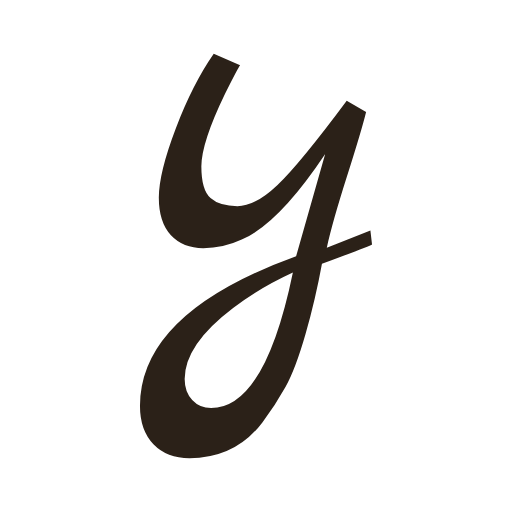
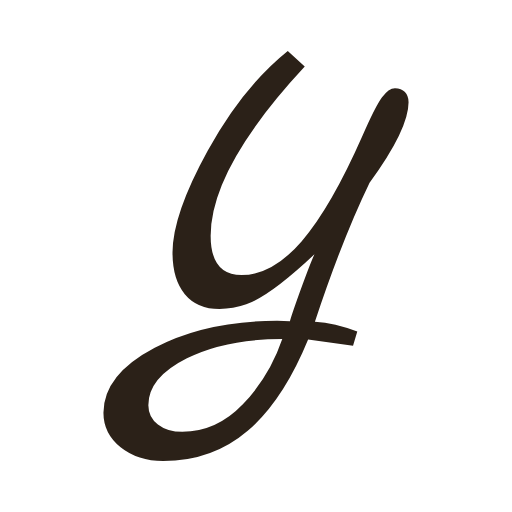
Looks like y (Latin lowercase y)
The forms of the Cyrillic letter U are similar to the lowercase of the Latin letter Y, so the two are easy to take for one another on the page. The match is in shape alone: the Cyrillic letter is a vowel and reads as /u/, the sound written oo in boot, and it is transliterated as u.
- Printed
- У у
- Name
- у (u)
- Transliteration
- u
- IPA
- /u/
- Position
- 21 of 33
History
У у is a letter of the Cyrillic script, twenty-first in the modern Russian alphabet of thirty-three. It commonly represents the close back rounded vowel /u/, somewhat like the sound written oo in the English word boot. It is transliterated as u.
For a reader coming from the Latin alphabet, the shape is the first thing to settle. The forms of the Cyrillic letter U are similar to the lowercase of the Latin letter Y. That similarity is one of form only; the Cyrillic letter is a vowel and carries /u/.
The handwritten alphabet in which the letter will usually be met is younger than the printed one. Russian cursive was developed during the 18th century on the base of skoropis, the rapid or running script that had served as the 14th to 17th century chancery hand of the earlier Cyrillic bookhands called ustav and poluustav, and it became the handwritten counterpart of the civil, or Petrine, printed script of books. It is the handwritten form of the modern Russian Cyrillic script, used instead of the block letters seen in printed material, and in Russian schools most children are taught from first grade how to write in it.
Documents from the chancery centuries look different again. In skoropis the characters were composed at first mainly of straight lines, as in the Cyrillic uncial and semi-ustav; semicircular strokes became the main lines of writing in the second half of the 16th century and especially at the beginning of the 17th, and at the end of that century the round outlines grew smoother and more decorative. The unification of letter shapes in the 18th and 19th centuries, in both office and school, led to the emergence of today's handwriting.
Keep going
Print a practice sheet for у
The history of Russian cursive
1708 — present
All 37 letters
The whole alphabet on one page
Have a document with this letter in it? Upload a photo and we will read the whole page.
Upload a document