Ц ц, called tse, carries the affricate /t͡s/, close to the ts of cats. It reaches Latin script under half a dozen different spellings, so a name containing it can look unfamiliar once transcribed.

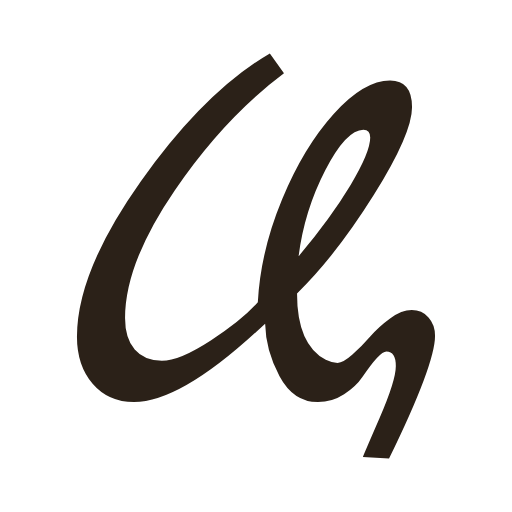
Nothing to confuse it with.
- Printed
- Ц ц
- Name
- цэ (tse)
- Transliteration
- ts
- IPA
- /t͡s/
- Position
- 24 of 33
History
Ц ц, named tse and also known as ce, is a letter of the Cyrillic script. It commonly represents the voiceless alveolar affricate /t͡s/, similar but not identical to the zz of pizza or the ts of cats, and heard as one sound rather than a stop followed by a separate sibilant. In the standard Iron dialect of Ossetic the letter instead carries the voiceless alveolar sibilant fricative /s/, while other dialects, Digoron among them, keep the same value it has in Russian.
In English the letter is commonly romanised as ts. In proper names such as personal names and toponyms, and in titles, it may also be rendered as c, which signifies the sound in Serbo-Croatian, Czech, Polish and Hungarian; as z, which signifies it in Italian and German; as cz, one of the conventions used for it in Medieval Latin; or as tz. Its equivalent in the modern Romanian Latin alphabet is ț. One family name carrying this letter can therefore reach two archives in spellings that look nothing like each other.
Russian cursive, the handwritten form of the modern Russian Cyrillic script, was developed during the 18th century out of skoropis, the rapid or running chancery hand of the 14th to 17th centuries, which had itself grown out of the earlier Cyrillic bookhands called ustav and poluustav. It became the handwritten counterpart of the civil, or Petrine, printed script of books, and modern Cyrillic italic typefaces take their lowercase shapes largely from it. Skoropis was the working hand of offices and private office work, marked by abbreviations, ligatures and sweeping pen strokes, and each scribe carried his own peculiarities into it. That is why a doubtful passage is best read by comparing it against the parts of the same document you have already made out.
Keep going
Print a practice sheet for ц
The history of Russian cursive
1708 — present
All 37 letters
The whole alphabet on one page
Have a document with this letter in it? Upload a photo and we will read the whole page.
Upload a document