Er is the eighteenth letter of the Russian alphabet and stands for the alveolar trill /r/, the rolled r heard in the Scottish pronunciation of curd.
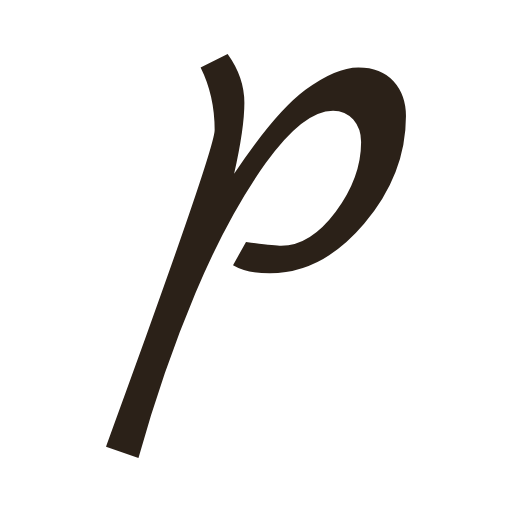

Nothing to confuse it with.
- Printed
- Р р
- Name
- эр (er)
- Transliteration
- r
- IPA
- /r/
- Position
- 18 of 33
History
Er is the eighteenth letter of the modern Russian alphabet and is written r in transliteration. It commonly represents the alveolar trill /r/, the rolled sound of r in the Scottish pronunciation of curd rather than the English one.
Most Russian writing done by hand will present this letter in cursive rather than in block letters. Russian cursive is the handwritten form of the modern Russian Cyrillic script, most handwritten Russian uses it in personal letters and schoolwork alike, and in Russian schools most children are taught to write in it from the first grade. Lowercase Russian italic types are themselves based largely on the cursive shapes, which is why a printed italic page can sit closer to a manuscript than a printed upright one does.
The script has a traceable ancestry. Russian cursive was developed during the 18th century on the base of skoropis, the rapid chancery hand of the 14th to 17th centuries, which had itself descended from the older Cyrillic bookhands called ustav and poluustav. It became the handwritten counterpart of the civil, or Petrine, printed script used for books.
Skoropis changed considerably across those centuries. Its characters were at first composed mainly of straight lines; semicircular strokes became the main lines of writing in the second half of the 16th century and especially at the beginning of the 17th, and by the end of that century the rounded outlines had grown smoother and more decorative. The unification of letter shapes in the 18th and 19th centuries, in offices and in schools alike, produced the handwriting in use today.
Keep going
Print a practice sheet for р
The history of Russian cursive
1708 — present
All 37 letters
The whole alphabet on one page
Have a document with this letter in it? Upload a photo and we will read the whole page.
Upload a document