Ъ, the hard sign, is the twenty-eighth letter of the Russian alphabet. Before the 1918 reform it was written in final position after consonants, which is why old documents are full of it.
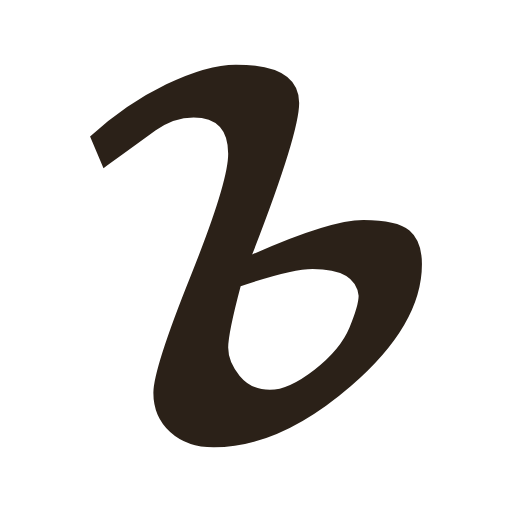
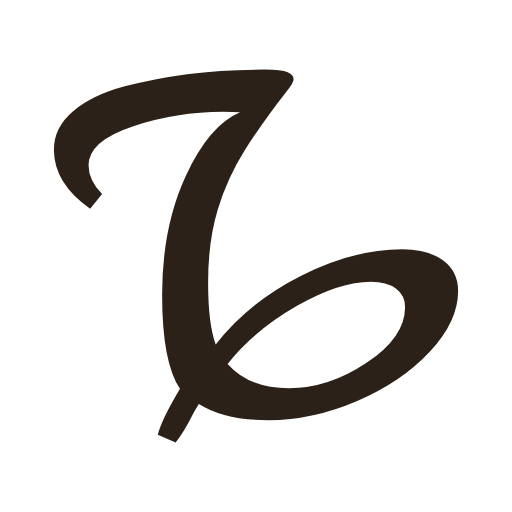
Nothing to confuse it with.
- Printed
- Ъ ъ
- Name
- твёрдый знак (tvyordy-znak)
- Transliteration
- ʺ
- IPA
- Position
- 28 of 33
History
The letter Ъ is known as the hard sign, твёрдый знак, in the modern Russian alphabet and in some varieties of Rusyn, where it may also be called ір. The same letter goes by other names elsewhere: yer in Old Church Slavonic, er golyam, or big er, in the Bulgarian alphabet, debelo jer, or thick yer, in pre-reform Serbian orthography, and ayirish belgisi in the Uzbek Cyrillic alphabet. Originally, in Old Church Slavonic, the yer denoted an ultra-short or reduced mid rounded vowel; it is one of two reduced vowels known collectively in Slavic philology as the yers.
The reform prepared by Aleksey Shakhmatov and implemented shortly after the revolution of November 1917 made the archaic mute yer obsolete, including ъ in final position after consonants, which eliminated practically the last graphical remnant of the Old Slavonic open-syllable system: Рыбинскъ became Рыбинск, Петроградъ became Петроград, and Іисусъ Христосъ became Иисус Христос. By Lev Uspensky's reckoning, dropping the final Ъ alone made text about one thirtieth shorter. In practice the Ъ was commonly removed from printing offices outright, alongside І, Ѵ and Ѣ, so an apostrophe came into widespread use in its dividing role, giving под'ём and ад'ютант in place of подъём and адъютант, a substitution that came to be perceived as part of the reform even though the decree did not call for it.
Russian cursive was developed during the 18th century on the base of skoropis, the 14th to 17th century chancery hand descended from the earlier Cyrillic bookhands ustav and poluustav, and became the handwritten counterpart of the civil, or Petrine, printed script of books.
Keep going
Print a practice sheet for ъ
The history of Russian cursive
1708 — present
All 37 letters
The whole alphabet on one page
Have a document with this letter in it? Upload a photo and we will read the whole page.
Upload a document