Y, the German Kurrent letter y
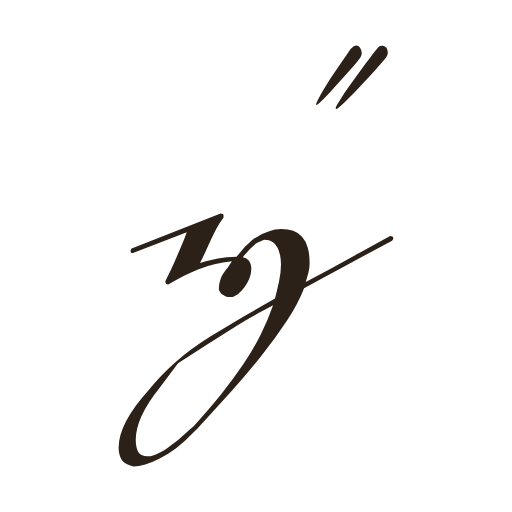
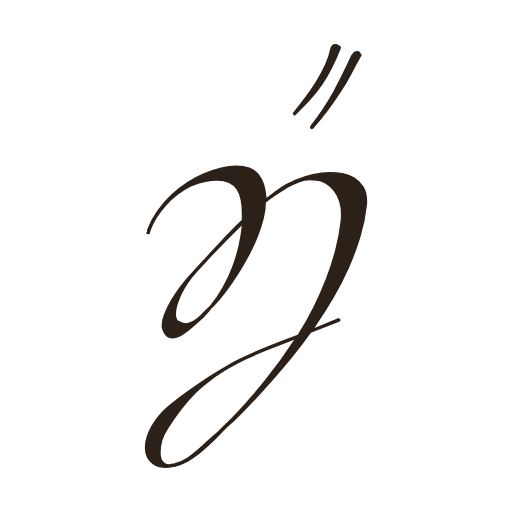
Y is the 25th letter of the German alphabet, representing a close front rounded vowel, known in German as 'Ypsilon' and found in Greek loanwords and historical toponyms. In German Kurrent handwriting, it has a distinct historical ductus taught across German-speaking Europe until 1941.
History
The letter Y occupies the 25th position in the German alphabet. Phonetically, it represents a close front rounded vowel, known in German as 'Ypsilon' and found in Greek loanwords and historical toponyms.
Lowercase y in Kurrent is constructed like a v whose right-hand stroke plunges below the baseline into a descender loop that sweeps back to the left. Capital Y has a broad upper basin supported by a descending stem that loops below the baseline.
Historically, y appeared in older spellings of German place names and royal titles ('Bayern', 'Speyer', 'Smyrna'). King Ludwig I of Bavaria famously ordered the spelling of his kingdom changed from 'Baiern' to 'Bayern' in the nineteenth century.
In Early New High German a long i was sometimes written ij, and because that ij looked just like ÿ it could be written as one; ÿ was then equated with the Greek upsilon.[1] Swiss chancery spelling kept that y, which survives in Schwyz and in surnames such as Schnyder and Wyss.[2] In German text y is the third rarest letter, after q and x.[3]
Sources
- [1] Y — Wikipedia (German) — ij looked like ÿ and was replaced by it (accessed 2026-10-14)
- [2] Y — Wikipedia (German) — Swiss names Schwyz, Schnyder, Wyss continue the chancery y (accessed 2026-10-14)
- [3] Y — Wikipedia (German) — third rarest after Q and X, 0.04% (accessed 2026-10-14)