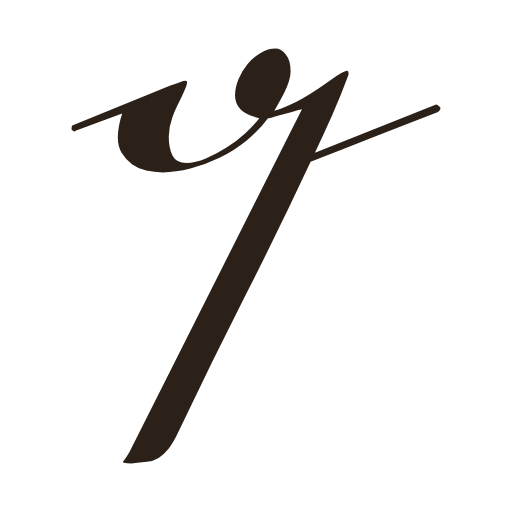
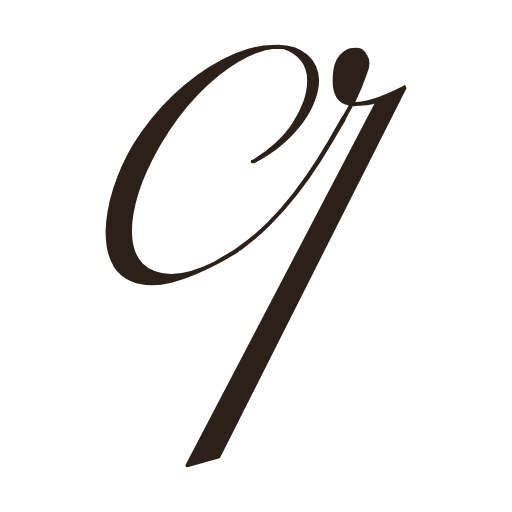
Q, the German Kurrent letter q
Q is the 17th letter of the German alphabet, representing a voiceless velar plosive /k/, virtually always paired with 'u' to form the consonant sequence /kv/. In German Kurrent handwriting, it has a distinct historical ductus taught across German-speaking Europe until 1941.
In words
Quelle · spring (of water)
Easy to confuse with
Looks like g (Kurrent g)
The q's tail drops below the line and hooks to the right; the g's tail loops to the left.
History
The letter Q occupies the 17th position in the German alphabet. Phonetically, it represents a voiceless velar plosive /k/, virtually always paired with 'u' to form the consonant sequence /kv/.
Lowercase q in Kurrent starts with an oval bowl in the middle zone (like a or g), followed by a vertical descender that drops below the baseline and turns upward with a sharp hook to the right, distinguishing it from g which loops left. Capital Q resembles a large O with an undulating baseline tail.
The letter q is relatively rare in German, almost always appearing in the combination 'qu' ('Quelle', 'Quartier', 'Quittung'). In archival research, recognizing the rightward flick of q prevents confusion with g.
Apart from proper names, q appears only in the pair qu, which German says as kv.[1] It is the rarest letter in German text, rarer even than x and y, the next two from the bottom.[2]
Sources
- [1] Q — Wikipedia (German) — qu spoken kv in German (accessed 2026-10-14)
- [2] Y — Wikipedia (German) — y is third rarest after q and x, so q is the rarest (accessed 2026-10-14)