German Kurrent
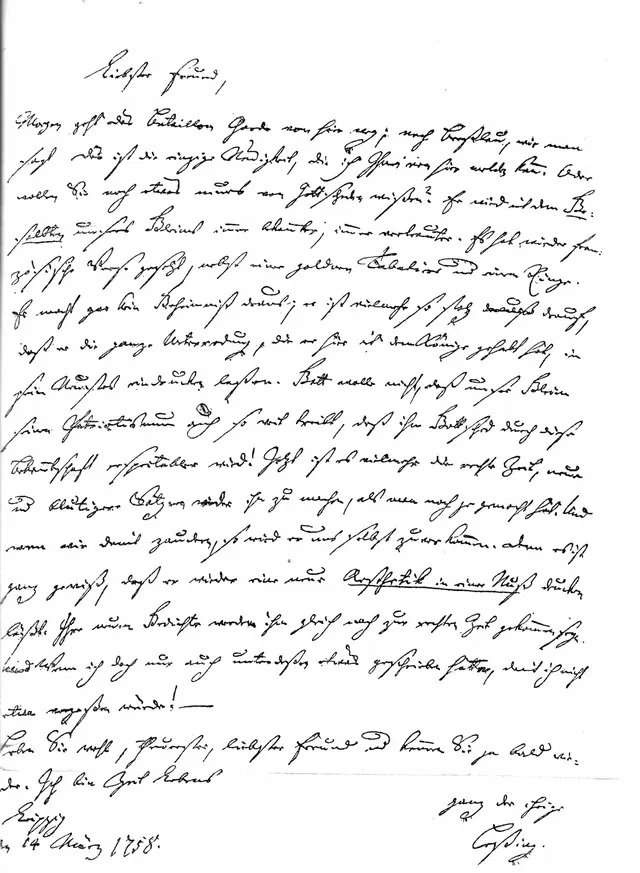
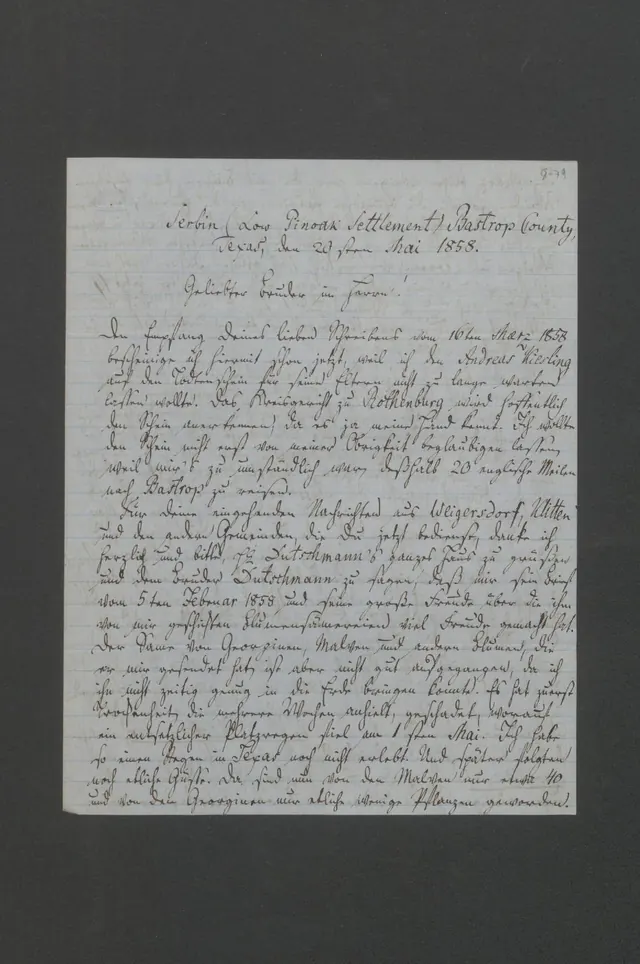
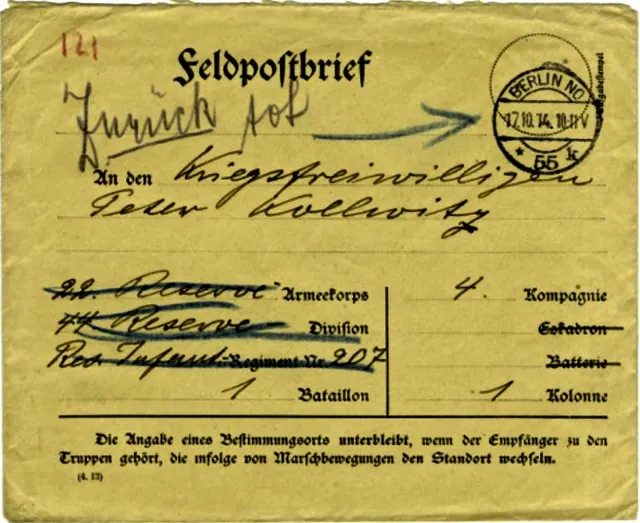
Kurrent is the hand almost every German document was written in for four centuries. It was abolished by decree in 1941, so the break is generational rather than gradual: a German reader today can usually read their great-grandparents' printed books and not a word of their letters.
- Abolished by decree in 1941, not by disuse
- Long s and ligatures throughout
- e and n are near-identical strokes
Deutsche Kurrentschrift
Placeholder: production shows the photographed document.
Why it looks like that
Kurrent developed from late-medieval chancery hands and was the standard German handwriting into the twentieth century, taught alongside the printed Fraktur types. The Normalschrifterlass of 1941 replaced it with a Latin hand in a single step, which is why the script has no long tail of decline: the documents stop being written in it almost exactly at that date.
Have a letter you cannot read?
Upload a photograph and get the original text and an English translation, with every letter linked to an explanation of how it is written.
Upload a page →First three pages free.